
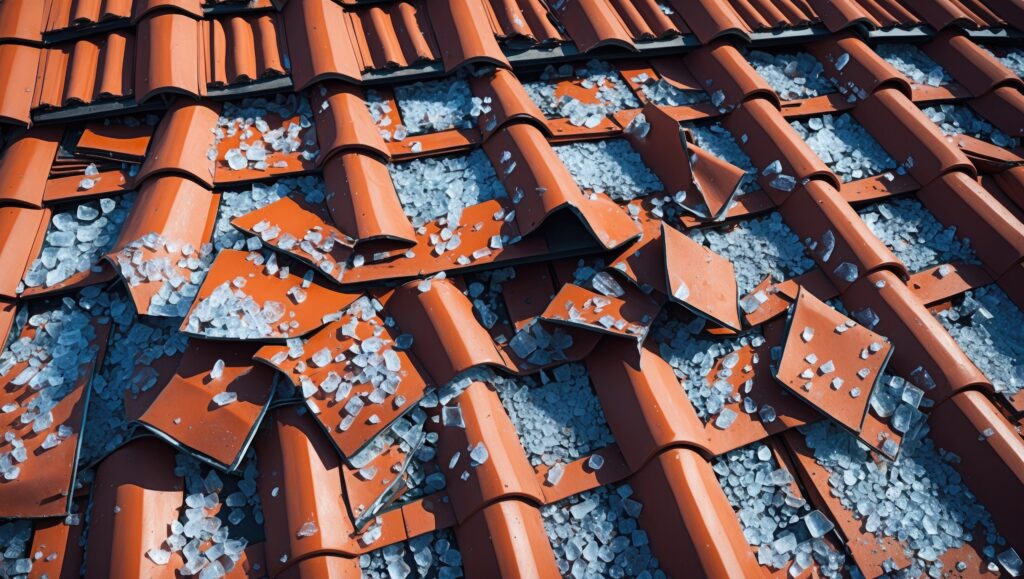
Every fall in Northern Colorado, homeowners breathe a cautious sigh of relief as hail season begins to wind down. But before the first snow blankets Fort Collins, there’s one crucial question every homeowner should ask: Did this year’s hailstorm damage my roof—and could my insurance cover a replacement?
At New Heights Construction, Ft. Collins, we’ve helped countless residents navigate this very question. Each year, our area experiences intense hail events that leave behind hidden roof damage—damage that, if ignored, can turn into leaks, insulation issues, and costly structural repairs by winter. Yet many homeowners hesitate to file claims, worried about being denied or paying out of pocket.
This article guides you through how to identify hail damage, document it properly, and pursue insurance coverage confidently. Whether your roof endured one storm or several, understanding your rights, your policy, and your roof’s condition can make the difference between full coverage and unexpected expense.
1. Understanding Hail Damage and Why It’s Often Missed
In Fort Collins, hailstorms frequently strike between May and September, with peak activity in late summer. Hailstones can range from pea-sized to golf-ball-sized—or larger. Even smaller hail can cause cumulative damage over time, especially to aging asphalt shingles.
How Hail Affects Roof Materials:
- Asphalt shingles: Hail impacts remove protective granules, exposing the shingle’s asphalt base to UV damage and water infiltration.
- Metal roofs: Dents or impact marks may not seem serious but can compromise coatings and lead to corrosion.
- Wood and tile roofs: Cracks, splits, or broken pieces allow moisture to seep into underlayment or decking.
Why You Might Not Notice It:
Many Fort Collins homeowners assume that if they don’t see missing shingles or leaks, their roof is fine. Unfortunately, hail damage often appears subtle at first, showing up as small circular bruises, soft spots, or granule loss. These issues weaken the shingle structure and can take months to cause visible leaks.
A 2024 NOAA storm report recorded over 300 hail events across Colorado, with Larimer County among the top five most affected. Even one of these storms can cause micro-fractures in roofing materials that are invisible from the ground.
A professional inspection by New Heights Construction, Ft. Collins can detect these early signs using infrared imaging and detailed surface analysis—ensuring you know whether your roof qualifies for an insurance claim.
2. How to Identify Hail Damage on Your Roof
If you suspect hail damage, start with a careful visual assessment—but safety first. Inspect from the ground using binoculars, or photograph your roof with a drone if possible.
Signs of Hail Damage:
- Dimpled shingles: Round depressions where granules have been dislodged.
- Exposed black substrate: Indicates that the top protective layer has been stripped away.
- Loose granules in gutters: Suggests impact erosion and weakened shingles.
- Dented vents, flashing, or gutters: Metal components can reveal hail size and direction.
- Cracked skylights or roof vents: Hail often strikes protruding elements first.
Areas Most Vulnerable:
- North- and west-facing slopes (where hail typically hits hardest)
- Roof ridges and valleys
- Chimney flashing and vent edges
- Rooflines beneath overhanging trees
Fort Collins roofs face additional strain due to altitude—stronger UV exposure accelerates deterioration after hail damage. What starts as minor bruising in summer can evolve into leak-prone shingles by winter, when freeze-thaw cycles expand the cracks.
If you notice any of these issues, schedule a hail damage roof inspection immediately. Insurance companies typically require claims to be filed within 6–12 months of the storm, depending on your policy.
3. How to Document Roof Damage for Your Insurance Claim
Your documentation is your evidence. Strong records make it easier to get approval for a full replacement rather than a patch repair.
Steps to Properly Document:
Photograph the damage: Take wide shots of the entire roof, then zoomed-in images of dents, bruising, or missing shingles. Include date stamps if possible.
Inspect surrounding property: Take photos of dented gutters, damaged siding, or patio furniture—these help confirm hail impact.
Note the storm date: Record when the hailstorm occurred and obtain the official NOAA storm event summary for your area.
Keep inspection reports: If a roofer identifies damage, request a written report with measurements and severity levels.
Contact your insurance provider: Notify them of suspected damage and submit your initial evidence.
A New Heights Construction, Ft. Collins representative can assist with this process by performing a certified inspection and creating a detailed report tailored to insurance adjusters’ standards. We speak their language—so you don’t have to.
Tip:
Do not attempt to repair or replace shingles before an insurance adjuster visits. Temporary fixes could obscure the original damage and affect your claim’s validity.
4. Navigating the Roof Insurance Claim Process
Filing a roof claim may sound overwhelming, but with the right preparation, it can be straightforward.
Step-by-Step Claim Process:
- Schedule a Professional Inspection: Contact a licensed roofing contractor familiar with hail damage claims (like New Heights Construction).
- File the Claim: Submit your evidence, including photos and your contractor’s report.
- Meet the Adjuster: Your insurance company will schedule an inspection. We recommend having your contractor present to ensure that damage is properly assessed.
- Receive the Estimate: The insurer will determine repair or replacement costs based on coverage terms.
- Review and Approve Work: Once approved, your contractor can begin repairs using materials that meet local codes and your policy standards.
Common Claim Myths:
- “My roof doesn’t leak, so it’s fine.”
False. Hail damage can take months to cause visible leaks. - “I’ll lose my insurance if I file.”
Not true for storm-related claims. Hail is considered an “act of nature”, and insurers cannot penalize you for filing. - “The adjuster said I only need minor repairs.”
Always get a second professional opinion—especially if multiple areas of your roof were hit. Small “repairs” often hide deeper impact fractures.
Local Advantage:
Colorado’s “Matching Law” (Colorado Revised Statutes §10-4-110.8) requires insurers to cover matching replacement materials for damaged sections. That means if part of your roof is damaged, the insurer may pay for full replacement to maintain uniform appearance and performance.
At New Heights Construction, our experts ensure you receive every dollar of coverage you’re entitled to under state and policy rules.
5. When to Replace vs. Repair a Hail-Damaged Roof
After a hailstorm, many homeowners wonder if repairs will suffice. However, in Fort Collins’ climate, temporary fixes rarely last long.
Roof Replacement May Be Necessary If:
- Shingle bruising covers multiple roof sections.
- Granule loss exposes black underlayment.
- Shingle mats are fractured or broken.
- The roof is over 10–12 years old.
Repairs may temporarily restore appearance, but don’t address compromised waterproofing. A full replacement ensures the entire roofing system—including underlayment, flashing, and ventilation—is brought up to current standards.
According to Roofing Contractor Magazine (2024), full replacements after verified hail damage are covered in over 80% of insurance cases when documented correctly and inspected by licensed professionals.
6. Preparing for Winter After a Hail Season
Even if your roof seems intact after hail season, winter will test its resilience. The freeze-thaw cycles of Northern Colorado can turn minor hail bruises into leaks once snow melts and refreezes.
Winter Prep Tips for Hail-Damaged Roofs:
- Schedule a pre-winter inspection to identify hidden soft spots.
- Ensure all flashing is sealed to prevent moisture intrusion.
- Check attic insulation to maintain a consistent temperature and avoid ice dams.
- Keep gutters clear to prevent overflow and refreezing near eaves.
If your roof was recently hit by hail, now is the time to act—not after snow arrives. Insurance claims are easiest to process when photos and reports are fresh, and roofers can complete work before winter storms restrict access.
7. Why Work with New Heights Construction, Ft. Collins
Navigating roof insurance claims is complex. That’s why homeowners trust New Heights Construction, Ft. Collins to act as their advocate. We are not just roofers—we are insurance claim specialists who understand Colorado’s policies, adjuster language, and documentation requirements.
Our team provides:
- Comprehensive hail damage inspections with infrared imaging and detailed reporting.
- Direct communication with insurance adjusters to ensure fair assessments.
- High-quality replacements using Class 4 impact-resistant shingles suited for Colorado weather.
- Warranty-backed installation and follow-up maintenance options.
We believe homeowners deserve transparency, honesty, and expertise—without pressure or confusion. If you’re unsure whether your roof qualifies for coverage, let our professionals inspect it at no cost.
Frequently Asked Questions (FAQs)
You’ll typically qualify if a licensed inspector can document damage consistent with hail impact—like shingle bruising, granule loss, or dented vents. Insurance companies rely on photographic and professional reports to confirm the cause and date of damage.
Not for natural weather events. Hail, wind, and storm damage are classified as “acts of nature,” and your insurer cannot raise your individual rates for filing a legitimate claim. However, general area-wide rate adjustments may occur after major storms.
You have the right to request a reinspection with your contractor present. A second adjuster may be assigned. Professional roofing reports and local hail data often lead to overturned denials when evidence supports your case.
Most insurance providers require claims to be filed within 6–12 months of the storm date. However, deadlines vary by company, so check your policy details or contact New Heights Construction for guidance.
Yes, but coverage may depend on your policy type. Some insurers factor in depreciation for older roofs. If your policy includes replacement cost coverage (RCC), you may qualify for full replacement rather than depreciated value.
Take Action Before Winter Hits
Fort Collins homeowners know that winter weather arrives quickly—and early. Don’t let unseen hail damage compromise your roof’s integrity or your comfort this season. A professional, insurance-qualified inspection can determine if you’re eligible for a fully covered roof replacement under your policy.
New Heights Construction, Ft. Collins stands ready to guide you through every step—from inspection to documentation to insurance approval—so you can rest easy before the snow falls.
Schedule your complimentary hail damage roof inspection today. Protect your home, your investment, and your peace of mind before winter sets in.